Best Racing Shoes at China Import Export Fair 139th Edition?
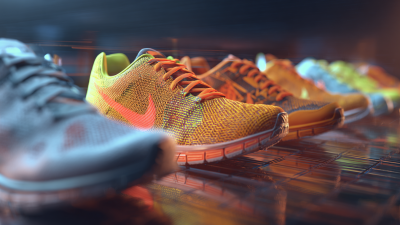
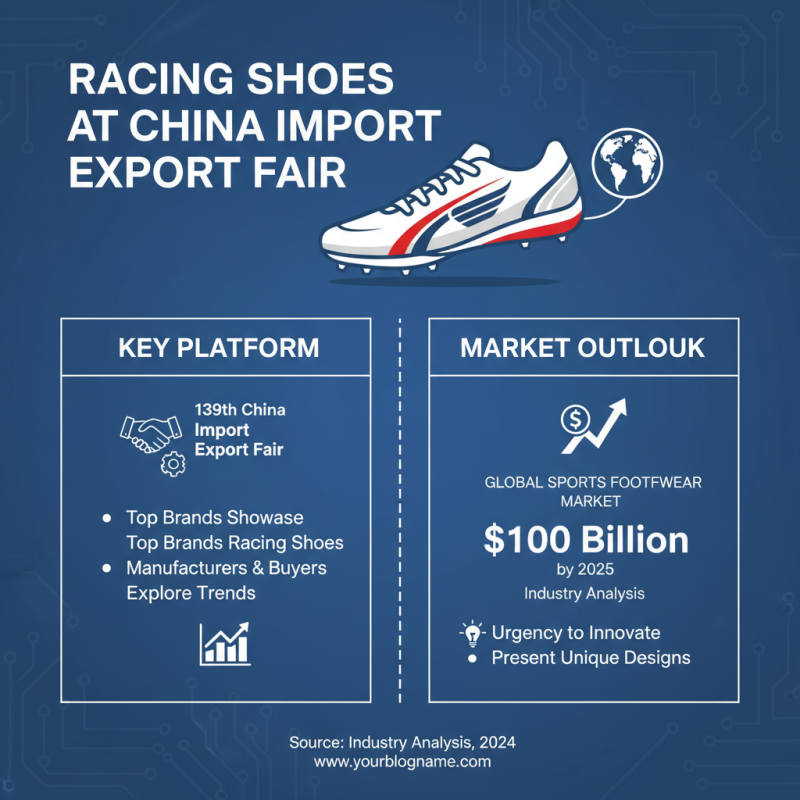
The 139th Canton Fair offers a unique opportunity for showcasing the best racing shoes in the growing athletic footwear market. With the global athletic footwear market expected to reach $100 billion by 2025, racing shoes hold a significant share. Featuring new technologies and materials, these shoes enhance performance and comfort.
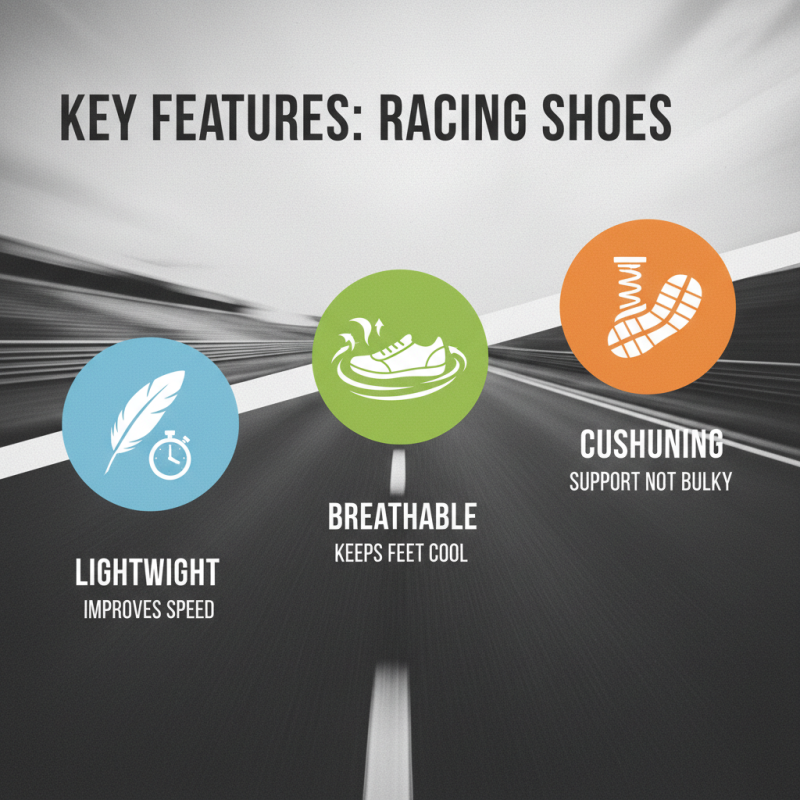
At the fair, manufacturers will present innovative designs and features tailored for serious runners. Lightweight materials and advanced cushioning make today's racing shoes a must-have. However, the industry faces challenges, such as sustainability concerns and the need for more inclusive sizing.
As buyers explore the offerings, the introduction of AI tools will improve the sourcing process. This can help translate product features into informed purchasing decisions. Racing shoes are evolving quickly, yet assessing quality and performance remains essential. The Canton Fair is the perfect venue to connect buyers with the latest trends and innovations in racing shoes.
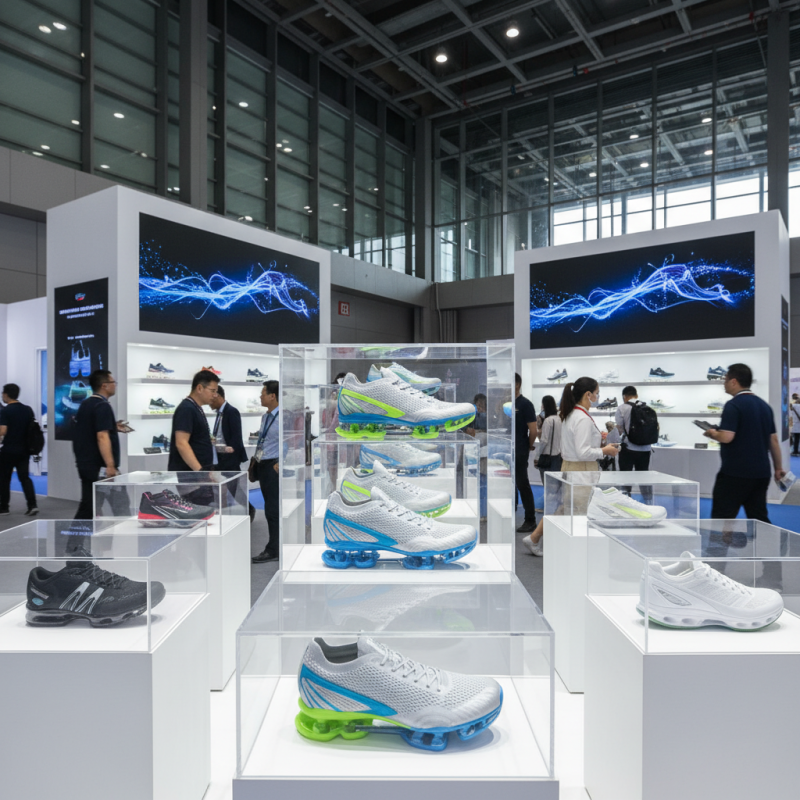
Overview of the China Import Export Fair 139th Edition
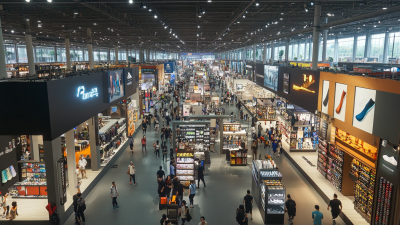
The 139th Edition of the China Import Export Fair, also known as Canton Fair, showcases a diverse range of products, including racing shoes. With over 25,000 exhibitors, the event attracts significant attention from buyers around the globe. Over 200,000 visitors are expected, highlighting the fair’s importance in international trade.
Recent industry reports indicate that the global athletic footwear market is projected to reach $198 billion by 2026, with a notable growth rate of 4.5% annually. The demand for racing shoes is particularly evident, as more consumers focus on fitness and sports. Innovations in materials and designs reflect ongoing trends, yet not all brands meet the high expectations of performance and quality. Many manufacturers focus heavily on aesthetics, often neglecting functional aspects.
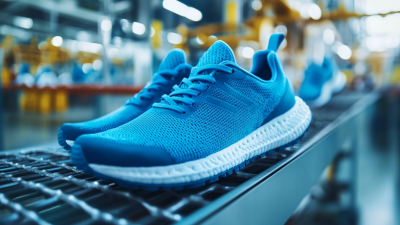
Moreover, a significant number of companies struggle with balancing cost and quality. The use of advanced technologies, like 3D printing and lightweight materials, can lead to higher production costs. Surprisingly, some racing shoes at the fair may lack thorough testing. This raises concerns about reliability. It’s critical for businesses to address these gaps as they seek partnerships and expand globally. Engaging in honest conversations about challenges can pave the way for improvement and innovation in the industry.
Significance of Racing Shoes in the Import Export Market
Racing shoes play a crucial role in the import-export market. They are not just footwear; they symbolize performance and technology. According to industry reports, the global sporting goods market is projected to reach $200 billion by 2025. Racing shoes are a significant part of this growth, accounting for approximately 15% of total sales.
China has become a major hub for racing shoe production and export. The country exported over 800 million pairs of shoes in 2021 alone, with racing shoes representing a growing segment. The demand stems from athletes seeking better performance. Lightweight materials and innovative designs have changed the way racing shoes function. However, not all manufacturers keep up with quality standards. Issues like inferior materials still plague the market.
Moreover, sustainability in production is increasingly important. Consumers are now questioning the environmental impact of their footwear. Reports indicate that around 70% of buyers prefer brands that prioritize eco-friendly practices. However, many companies struggle to balance cost and sustainability. This highlights a need for reflection in the industry. The drive for profit often overshadows the need for responsible manufacturing.
Consumer Trends and Preferences for Racing Shoes in China
Consumer trends for racing shoes in China have evolved significantly. Recent reports indicate that over 50% of consumers prioritize comfort when selecting racing footwear. Breathable materials and innovative designs are crucial factors. Notably, a growing number of runners are also considering eco-friendliness in their purchases. Sustainable materials are becoming a key selling point.
Interestingly, style is another strong influencer. Many young athletes wish to express their identity through their gear. Reports suggest that 37% of consumers believe that unique designs enhance their running experience. This trend indicates a shift towards personalized sportswear. However, it's essential to question whether style compromises functionality.
Tips: Choose shoes that fit well. A proper fit ensures better performance. Pay attention to customer reviews for genuine feedback. Lastly, assess your needs before purchasing. Will you race only or train too? Knowing this helps narrow your options.