Shose expert

17 Years Manufacturing Experience
je

What Are the Best Sports Running Shoes for 2026?

Choosing the best Sports Running Shoes for 2026 means balancing comfort, fit, cushioning, grip, and the demands of your running routine. A shoe that feels quick on a smooth road may feel unstable on a damp trail. Small details matter: toe room on a long run, heel hold on a steep descent, and traction across wet pavement.

Participation is substantial. The Sports & Fitness Industry Association’s 2024 Topline Participation Report estimated that 50.4 million Americans ran or jogged in 2023. That figure gives useful context, but it cannot tell any individual which shoe to buy. No market statistic can replace a careful fit check.

Biomechanics researcher Dr. Benno Nigg is often associated with this practical principle: “The best shoe is the one that feels best.” It is a helpful starting point, not a complete test. Comfort can change with pace, distance, terrain, and fatigue. A shoe that feels soft for five minutes may not feel supportive after ten miles.

This guide will compare road, trail, stability, and lightweight options for different needs. It will also consider cushioning, weight, durability, and value, while separating measurable features from marketing claims. Some recommendations will remain imperfect: individual fit is difficult to predict from a product page. Try shoes when possible, and notice how your feet respond—not just how the shoe looks.
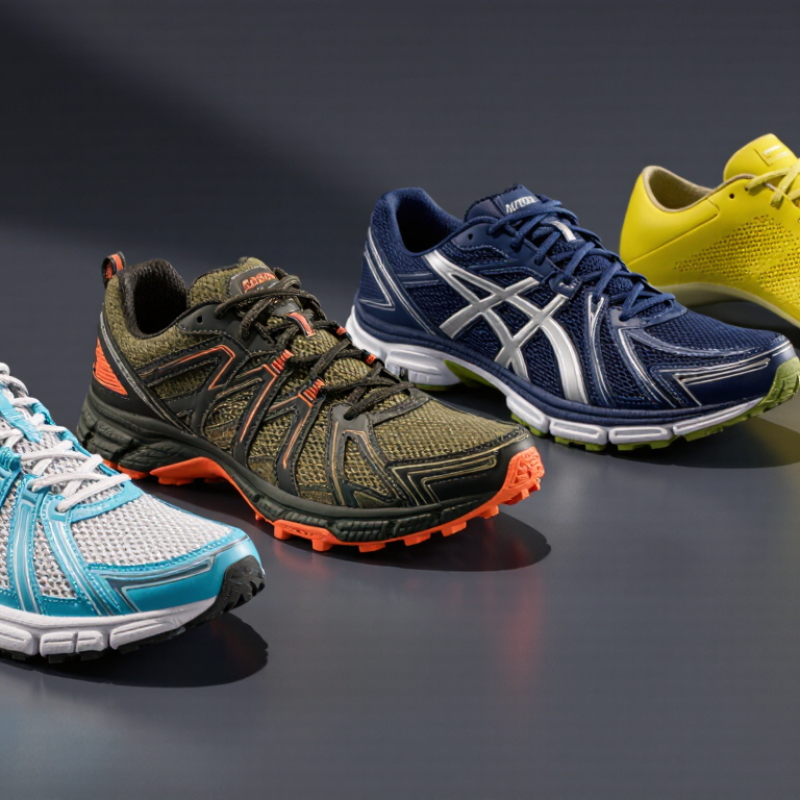
What Are the Best Sports Running Shoes for 2026?

What “Best” Means in Sports Running Shoes for 2026

For 2026, “best” should mean suitable for your body, routes, and weekly mileage—not simply the lightest shoe or newest design. A useful fit leaves a little space in front of your longest toe, holds the heel securely, and does not pinch when your feet warm up. Small details matter. Test shoes later in the day, when feet may be slightly swollen, and walk or jog in them before deciding. A short store test cannot predict every long run, but it can reveal rubbing, slipping, or pressure across the forefoot.

Match the shoe to the work you actually do. Cushioned models may feel comfortable on long pavement runs, while firmer, grippier soles can feel more controlled on uneven paths. Neither feature guarantees comfort or safety; fit, pace, and surface all play a part. Check whether the outsole wears quickly in your usual contact zones, and notice if the upper traps heat. I used to treat softness as an easy shortcut to comfort; that assumption needs questioning, because a plush shoe can still feel unstable or tiring. Replace worn footwear based on changing fit and performance, not a calendar alone. There is no universal winner, and even careful testing leaves some uncertainty.

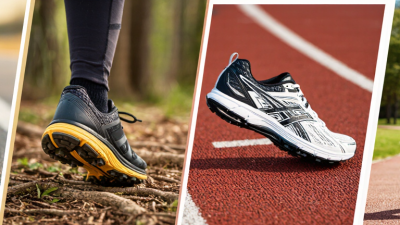
Key Design Features That Affect Running Performance and Comfort

A running shoe’s design affects how smoothly each step feels, but no single feature suits every runner. The midsole should cushion impact without feeling unstable when you turn or pick up the pace. Pressing a thumb into foam tells little about how it behaves after several miles. Fit matters more. Leave about a thumb’s width at the toe, and check that your heel stays secure without rubbing. A shoe that feels snug in the shop may become uncomfortable when feet swell during a run. Heel-to-toe drop also changes how a shoe feels underfoot. A higher drop may feel familiar to some runners, while a lower one can place different demands on the calves. Neither is universally better.

Outsole grip matters on wet paths and sharp corners; look for tread that suits the surfaces you actually run on. A breathable mesh upper can help manage heat, yet thin materials may feel less supportive to some feet. Weight is noticeable during faster efforts, but lighter is not automatically more comfortable or durable. Try shoes near the end of the day, when your feet may be slightly larger. Walk, jog, and notice any pressure around the toes, arch, or heel. That test is imperfect: a short fitting cannot fully mimic a tired stride on a long run. Keep notes after several outings, since comfort can change with distance and pace.

What Are the Best Sports Running Shoes for 2026? - Key Design Features That Affect Running Performance and Comfort
Running Shoe Type Typical Design Heel-to-Toe Drop Approx. Weight Outsole and Grip Upper and Fit Best Suited For Main Trade-Off
Daily Training Moderately cushioned foam platform designed for repeated everyday runs. Commonly about 4–10 mm; varies by model. Often about 230–320 g per shoe, depending on size and construction. Rubber in high-wear areas helps balance traction and durability. Breathable mesh with a secure midfoot and room for natural toe movement. Regular easy runs, general training, and runners seeking one versatile pair. Usually more versatile and durable than specialized shoes, but not the lightest option.
Lightweight Tempo Training Lighter, responsive midsole intended to feel nimble during faster workouts. Often about 4–8 mm, though lower and higher drops are available. Often about 190–260 g per shoe, depending on size and design. Strategically placed rubber can reduce weight while retaining grip on roads. Light mesh and a close fit help limit movement inside the shoe at faster paces. Intervals, tempo runs, and runners who prefer a lighter training feel. A lighter build may offer less underfoot protection or durability than a daily trainer.
Road Racing Lightweight construction; some models use a stiff plate or structured midsole. Frequently about 4–10 mm, with substantial variation across designs. Often about 170–240 g per shoe, depending on size and construction. Light outsole coverage prioritizes low weight; wet-road grip varies by rubber and tread. Thin, lightweight uppers reduce bulk; race-oriented fits can feel less roomy. Race-day efforts and runners seeking a light, fast-feeling road shoe. May cost more and wear faster; a plated design does not guarantee improved results for every runner.
Trail Running Protective construction with tread designed for off-road surfaces. Commonly about 4–8 mm; terrain and runner preference influence choice. Often about 250–350 g per shoe, depending on protection and lug depth. Lugs add bite on loose ground; lug shape and spacing affect performance on mud, rock, and packed trails. More durable materials and a secure fit help manage uneven terrain; some designs add a rock plate. Dirt paths, rocky routes, and other unpaved terrain. Aggressive tread can feel less smooth and may wear more quickly on pavement.
Stability-Oriented Road Running A broad base or guidance features designed to provide a more supported ride. Often about 6–12 mm; individual models differ. Often about 250–340 g per shoe, depending on size and support structure. Road-focused rubber placement aims for dependable traction and daily durability. A secure heel and midfoot can help the shoe feel controlled without relying on a rigid fit. Runners who prefer a guided or more stable sensation underfoot. Support features are not necessary for everyone; comfort and fit should guide selection.

Weight ranges are approximate per shoe and vary with size, materials, and model. Heel-to-toe drop is the height difference between the heel and forefoot; it does not by itself determine comfort or injury risk. Choose based on fit, intended terrain, training, and personal comfort.

How to Match Shoe Types to Running Goals and Terrain

A running shoe should fit the run, not just look suitable on a shelf. For easy road miles, a cushioned daily trainer can soften repeated impact on pavement. Tempo sessions may feel better in a lighter, firmer shoe that responds quickly. For long runs, comfort often matters more than a small weight saving. Fit matters.

Terrain changes the choice. Packed dirt usually works well with a road shoe that has a stable base. Loose gravel, wet roots, or muddy paths call for deeper tread and a secure upper. On rocky trails, a protective sole can help reduce pressure from sharp edges. A shoe with aggressive lugs may feel clumsy on smooth roads, though. There is no perfect pair for every route, and I would not choose based on shoe type alone. Foot shape, pace, and comfort can change the answer.

Tips: Try shoes later in the day, when feet may be slightly fuller. Check for thumb-width space at the toes and a snug heel without rubbing. If possible, jog briefly on a similar surface to your usual route. A comfortable fit is a useful sign, not a guarantee; persistent pain deserves attention from a qualified professional.

How to Compare 2026 Models Across Brands and Price Ranges

Choosing the best 2026 running shoe depends less on its label and more on how it suits your body, route, and weekly mileage. Fit comes first. Try shoes late in the day, when feet may be slightly swollen, and leave a thumb’s width in front of your toes. Walk, jog, and turn sharply in the store. Notice heel slip, pressure across the midfoot, and whether the cushioning feels stable rather than merely soft. A short test cannot predict every long run, but it can reveal obvious discomfort.

When comparing price ranges, look beyond the sale tag. Lower-priced models may offer dependable cushioning and durable outsoles, while costlier options can use lighter foams or specialized designs. Those upgrades matter most when they match your training; they do not guarantee faster times. Compare weight, outsole coverage, upper breathability, and return terms across several models. Check the shoe after a few runs: uneven wear or recurring hot spots are useful clues. Honestly, the price ladder is not always neat. A previous-season model may fit better than a newer one, and a premium shoe can feel unstable on wet pavement. Reassess your choice as your routes and training change.

How to Test, Fit, and Care for Running Shoes

What Are the Best Sports Running Shoes for 2026?

How to Test, Fit, and Care for Running Shoes

A useful shoe test starts with your usual running socks and a familiar route. Walk, jog, then pick up the pace for a minute. Notice whether your heel slips, toes brush the front, or the upper rubs your skin. Feel the difference. A soft first impression is not enough; check whether the shoe still feels stable when you turn or slow down. Try both shoes, since feet can differ slightly.

Tips: Shop later in the day, when feet may be a little larger. Leave a thumb’s width in front of your longest toe, and make sure the midfoot feels secure without pressure. If possible, test on a treadmill or return-friendly surface. Not just softer. A shoe should suit your stride and typical runs, not someone else’s review.

After a run, loosen the laces and air shoes out at room temperature. Remove insoles if they are damp. Avoid direct heat, which can damage materials. Check the outsole for uneven wear and the upper for fraying every few weeks. Replace shoes when cushioning feels consistently flat or discomfort appears, but don’t rely on a single mileage rule. I’d keep a simple run log, though I sometimes forget; that makes changes harder to judge.